For participants
A practical, inclusive experience built around noticing, choosing, communicating, moving, and staying connected under pressure.

CAMPUS + ORGANIZATIONAL WORKSHOPS
Awareness. Choice. Action.
Practical awareness, boundaries, voice, movement, and self-protection—taught without fear, shame, or false promises.
Bring Power of Ki to your campusKa’imi Kuoha · 7th-degree black belt · educator
Meet the method ↓FOR CAMPUS + ORGANIZATIONAL LEADERS
Students do not need another message that makes them responsible for preventing someone else’s violence. They do need access to practice that can expand awareness, boundaries, voice, options, and confidence.
Campuses and corporations need practical, responsible programming that can be reinforced over time. Power of Ki complements—not replaces—prevention, security, reporting, and survivor-support systems.
See engagement formats ↘A practical, inclusive experience built around noticing, choosing, communicating, moving, and staying connected under pressure.
A clear scope, audience-informed facilitation, participation boundaries, and a credible next-step pathway beyond the event.
A memorable capability-building layer that can sit alongside ongoing prevention, wellness, safety, and survivor-support work.
01 / THE IDEA
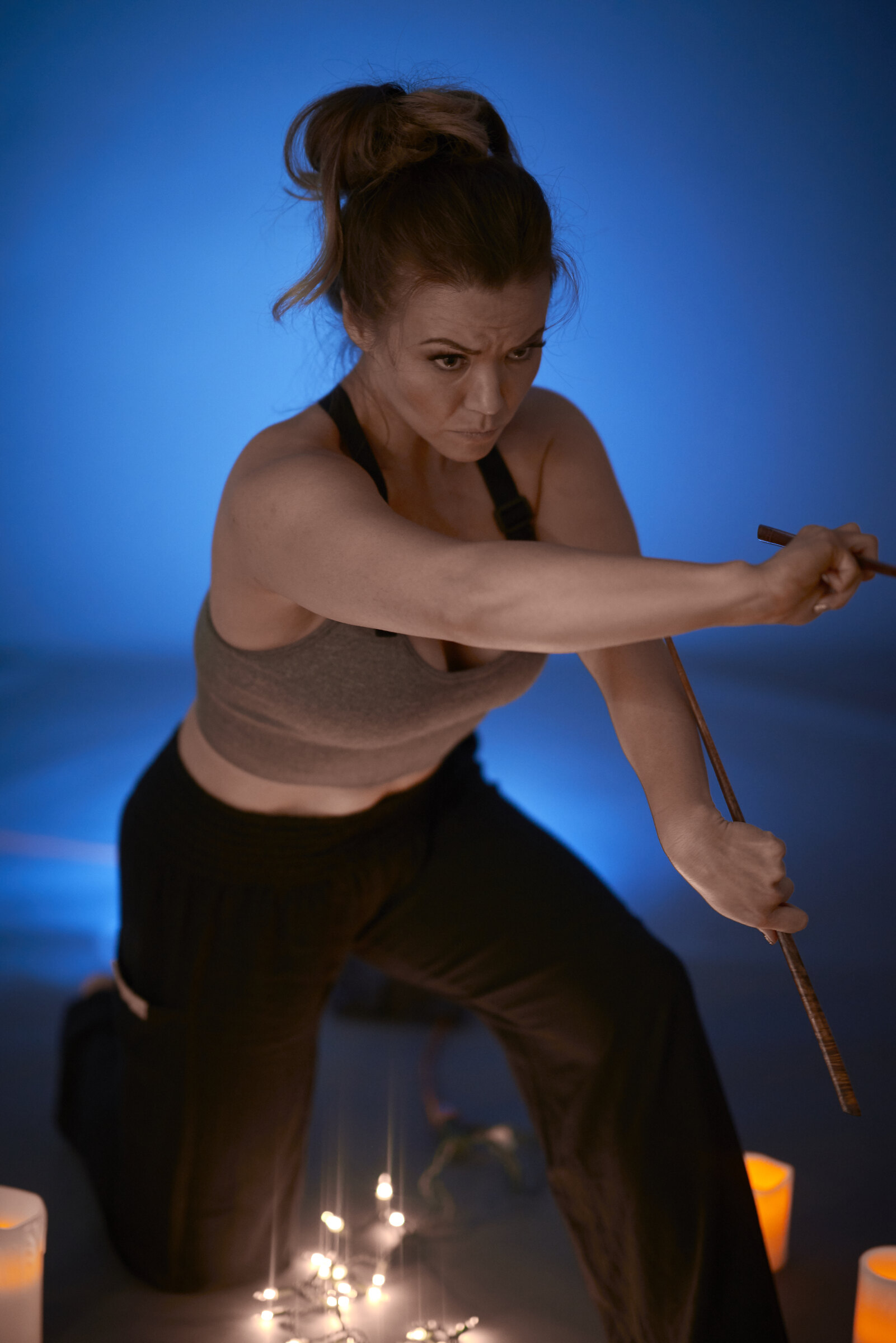
Self-defense can begin long before physical contact. It can begin with noticing an environment, honoring discomfort, creating distance, using your voice, finding an exit, or deciding that politeness is no longer the priority.
Power of Ki brings those choices into practice. Physical skill matters. So does keeping enough access to yourself to see, decide, and move.
THE FOUR PRINCIPLES
Access to awareness. Access to choice. Access to the strength that can become harder to reach when pressure rises.
Return attention to a stable center when the moment pulls it outward.
Release unnecessary tension without giving up readiness or resolve.
Stay grounded enough to receive information and move with control.
Direct attention and intention beyond the immediate discomfort.
02 / THE EXPERIENCE
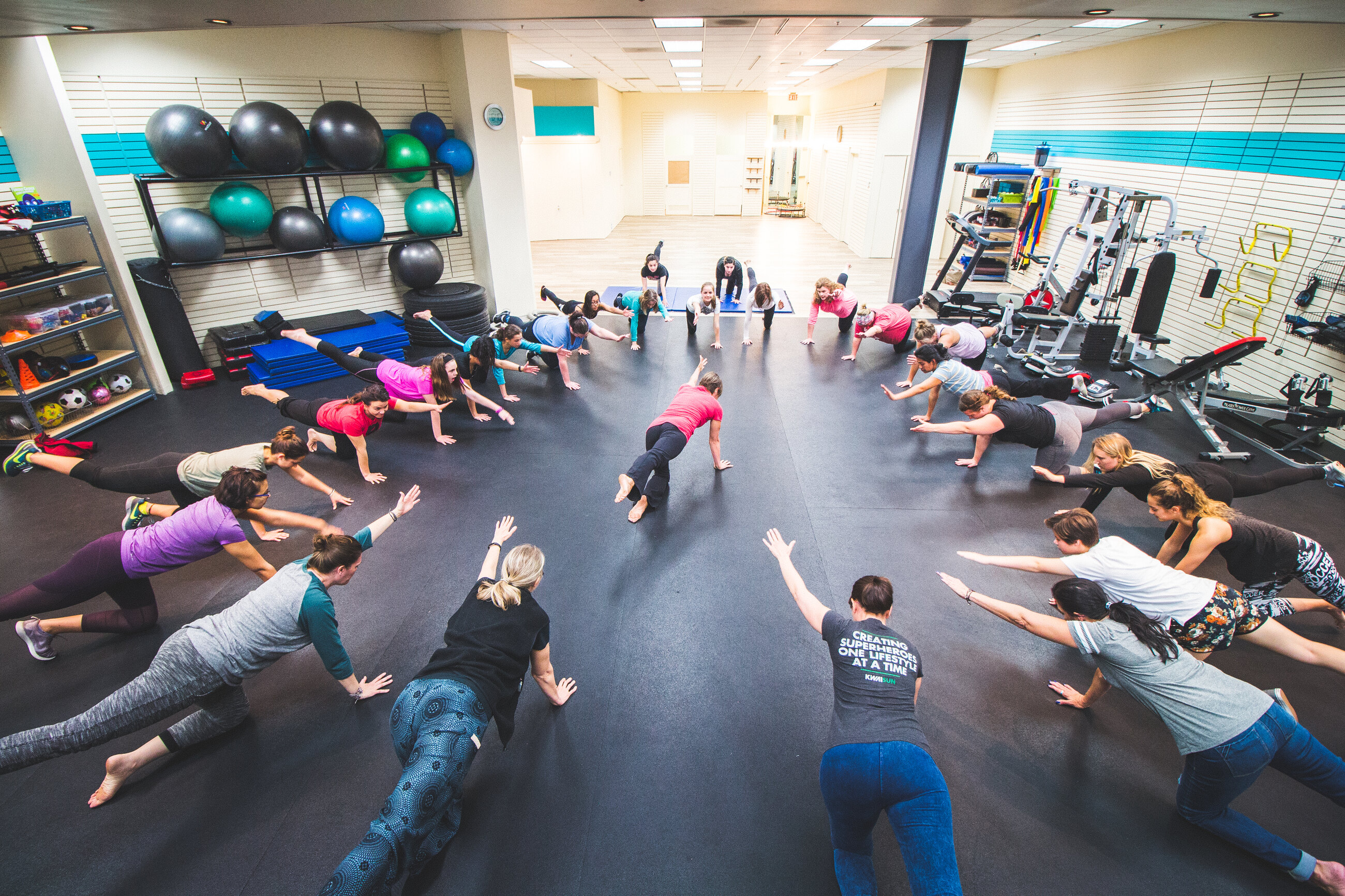
A Power of Ki experience starts with capability—not simply whether the room felt engaged.
Notice the environment, the body, and early signals without training constant alarm.
Practice grounding, breathwork, attention, boundaries, positioning, and voice from a place of calm.
Use distance, movement, refusal, or physical response when the situation requires it.
FIELD EVIDENCE · FABLETICS UTC LA JOLLA
2.62 to 4.15
Average self-reported confidence before and after the workshop.
August 23, 2026 · 13 valid responses · Average is self-reported and directional.
03 / WAYS TO WORK
01 / START
02 / SIGNATURE
03 / DEEPEN
04 / EXTEND
Online training prepares and reinforces. Complete physical self-defense practice still requires appropriate supervised instruction.
BUILT TO FIT THE ROOM



05 / START THE CONVERSATION
Tell us who you serve, what prompted the conversation, and what you want participants to be more able to do. We’ll recommend a format and respond with next steps.
Every request is reviewed directly by Ka’imi’s team.